Table of Contents
The Rise Of A Smarter Casino World
The online gambling space has changed faster in the past two years than it did in the previous decade. It’s not only about flashy graphics or faster spins anymore, but about how digital trends are shaping every layer of the experience, from registration to withdrawal. When you enter a platform like https://www.instagram.com/dk88.my/, you can immediately sense that effortless blend of tech and excitement, where user convenience quietly coexists with AI-powered suggestions and personalized offers.
There’s something almost invisible happening beneath the surface. Data science, automation, even micro-interaction design, all come together to produce a rhythm that makes the modern online casino feel alive. It’s almost like the system listens, adjusts, then rewards. I’m not entirely sure if this is good or slightly manipulative, but either way, it keeps players engaged longer.
Innovation In Games And Design
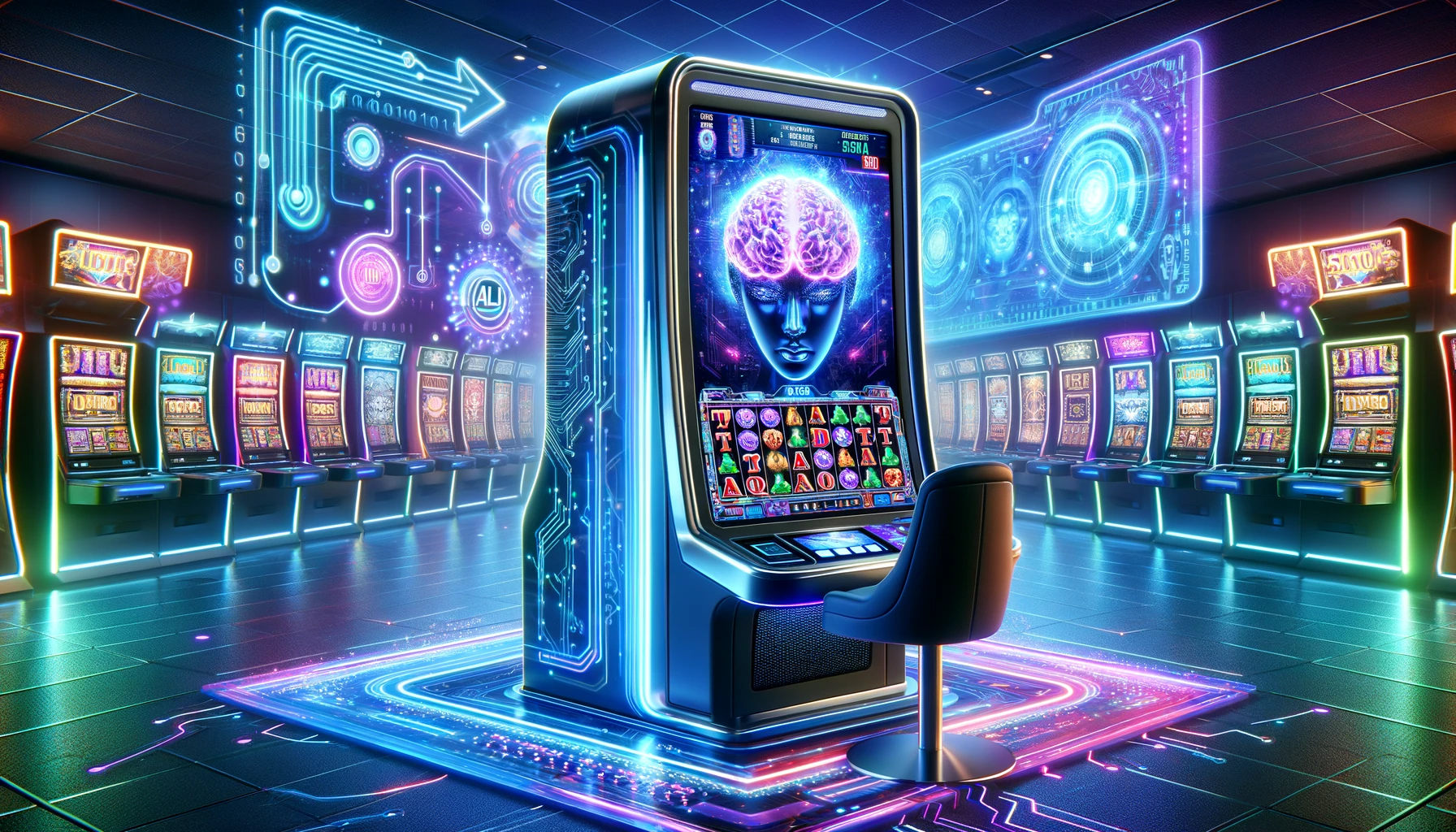
Game providers now compete in ways that go beyond soundtracks or themes. The visual realism, the subtle screen vibrations after a win, the way reels stop with that calculated pause—these have become understated art forms. A few developers are experimenting with neural animation, which adapts to the user’s emotional tone based on inputs like play speed or session duration. It’s ambitious, perhaps even unsettling.

Here’s an interesting snapshot of new slot technology developments:
| Technology Trend | Impact On Players |
|---|---|
| AI-driven slot recommendations | Increases personalized engagement |
| VR table games | Makes online play feel socially immersive |
| Dynamic soundtrack systems | Enhances emotional response during gameplay |
I once spent a weekend testing such games and noticed how quickly I slipped into believing my digital surroundings were almost physical. The lights, the depth—it’s getting remarkably close to being there. That’s both exciting and, in some moments, oddly exhausting.
Adaptive Payments And Security
Casinos once relied on card transactions, maybe e-wallets if you were lucky. Now we’re looking at blockchain-backed ledgers, biometric confirmations, and lightning-fast withdrawals under an hour. Some operators even integrate cryptocurrency wallets seamlessly into player dashboards.
Below is a small table comparing various modern payment models and their current adoption among platforms:
| Payment Method | Transaction Speed | Security Level |
|---|---|---|
| Credit/Debit Cards | 1-3 days | High |
| E-Wallets | Instant–1 hour | Very High |
| Crypto Payments | Instant | Highest |
Infobox: It’s worth noting that digital wallets now make up almost half of global casino deposits, signaling a dramatic user shift toward faster and safer methods.
Transparency, once a frequently discussed issue, is improving hand in hand with payment clarity. Casinos now allow real-time tracking of balances and withdrawal statuses. You can see progress bars for bonus wagering, which, frankly, makes the whole process feel less mysterious.
Player Experience That Feels Human
People might think gambling is only about luck, but the next wave focuses on feeling—not outcomes. Many users interact more with chat-based assistance, smart notifications that suggest cooling-off periods, or adaptive reward systems that predict playtime patterns. There’s an empathy layer forming between algorithms and users. Whether we should trust that empathy is another question.
Here are a few pieces shaping that “human” digital feeling:
- Customizable gaming interfaces that adapt to visual preferences
- Smart onboarding tutorials replacing static guides
- Emotion-sensitive customer service chatbots
Some players even mention that they feel less judged in online chat casinos than in real ones. It’s private yet strangely social. Perhaps that’s what keeps online casinos thriving—they mirror our need to belong while being fully in control.
Conclusion
Digital trends are clearly doing more than boosting casino profits; they are redefining what entertainment means in the online sphere. I sometimes think we’re entering a stage where personalization might blur the line between gaming and companionship. But for now, it seems to be working. As technology continues to evolve, the next phase of online casinos will likely blend even deeper into daily digital habits—perhaps so seamlessly that we’ll stop noticing the difference between “logging in” and simply being part of that world.
Player Reviews
“Joined a platform that felt almost futuristic,” one player wrote in a public forum. “Bonuses rolled in automatically—it felt like the system already knew what I wanted.” Another mentioned that VR poker gave them an uncanny sense of presence, “like leaning into an invisible crowd.” Not all feedback is glowing, though. A few users still long for the tactile sense of chips and cards, that slight nervous shuffle. Yet, overall sentiment is leaning positive. The next wave isn’t just coming—it’s already here, wrapped in sleek code and waiting behind a login screen.